August 20, 2026
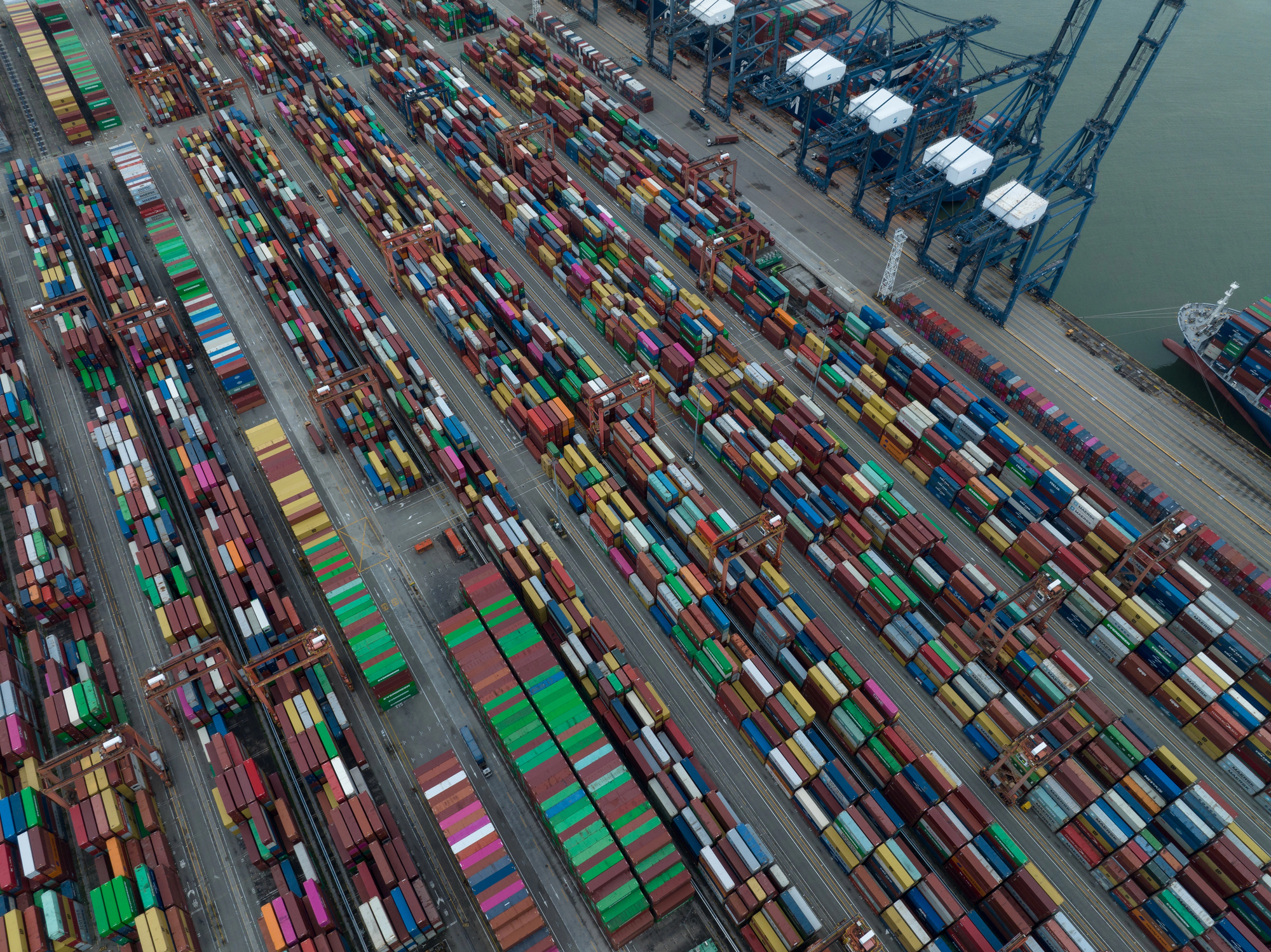
Freight does not move in a straight line from the origin to shelf. It travels through a network of ports, rail yards, warehouses, and distribution centers before reaching its final destination.
In regions surrounding major transportation hubs, local freight movement becomes the critical link that keeps inventory flowing. Local shuttle trucking routes create structure and consistency in these high-traffic logistics zones. In this blog post, we discuss why local shuttle routes near major hubs can be a major boost for busy supply chains.
The Challenge of Operating Near Major Freight Hubs
Distribution centers located near ports or rail terminals benefit from strategic positioning, but they also face congestion. High inbound container volume can overwhelm dock schedules. Limited yard space and tight appointment windows increase pressure on transportation teams.
Without consistent local shuttle routes, freight can sit waiting for available trucks, slowing inventory flow and creating backlogs.
Retailers relying on rapid replenishment cycles cannot afford these delays, particularly during seasonal surges.
How Local Shuttle Trucking Improves Regional Efficiency
Local shuttle routes operate between fixed facilities on repeat schedules. This consistency reduces wait times, improves dock coordination, and increases asset utilization.
Drivers assigned to dedicated shuttle routes become familiar with traffic patterns, yard procedures, and scheduling systems. As a result, load and unload times improve, and communication between facilities becomes more streamlined.
For retailers and distribution centers, this means faster inventory turnover and improved supply chain visibility.
Supporting Retail and Warehouse Operations During Demand Surges
Seasonal demand amplifies every inefficiency. Holiday apparel shipments, grocery restocking waves, and home improvement surges increase the frequency of regional freight transfers.
Local shuttle trucking ensures that freight continues moving between port facilities, cross-docks, and distribution centers without interruption. Rather than competing for trucks during high demand periods, businesses maintain stable regional capacity.
This stability protects retail shelves from going empty and helps distribution centers maintain smooth outbound operations.
Strengthening Regional Logistics Infrastructure
Local shuttle routes are not simply a convenience. They are a structural advantage in high-volume freight markets. By building consistent regional movement into transportation strategy, retailers and warehouse operators reduce congestion risk and improve delivery performance.
US 1 Shorthaul provides local shuttle trucking services designed to support distribution centers and retail operations near major transportation hubs. If your business depends on efficient regional freight movement, contact US 1 Shorthaul to discuss how dedicated shuttle routes can strengthen your supply chain.