August 20, 2026
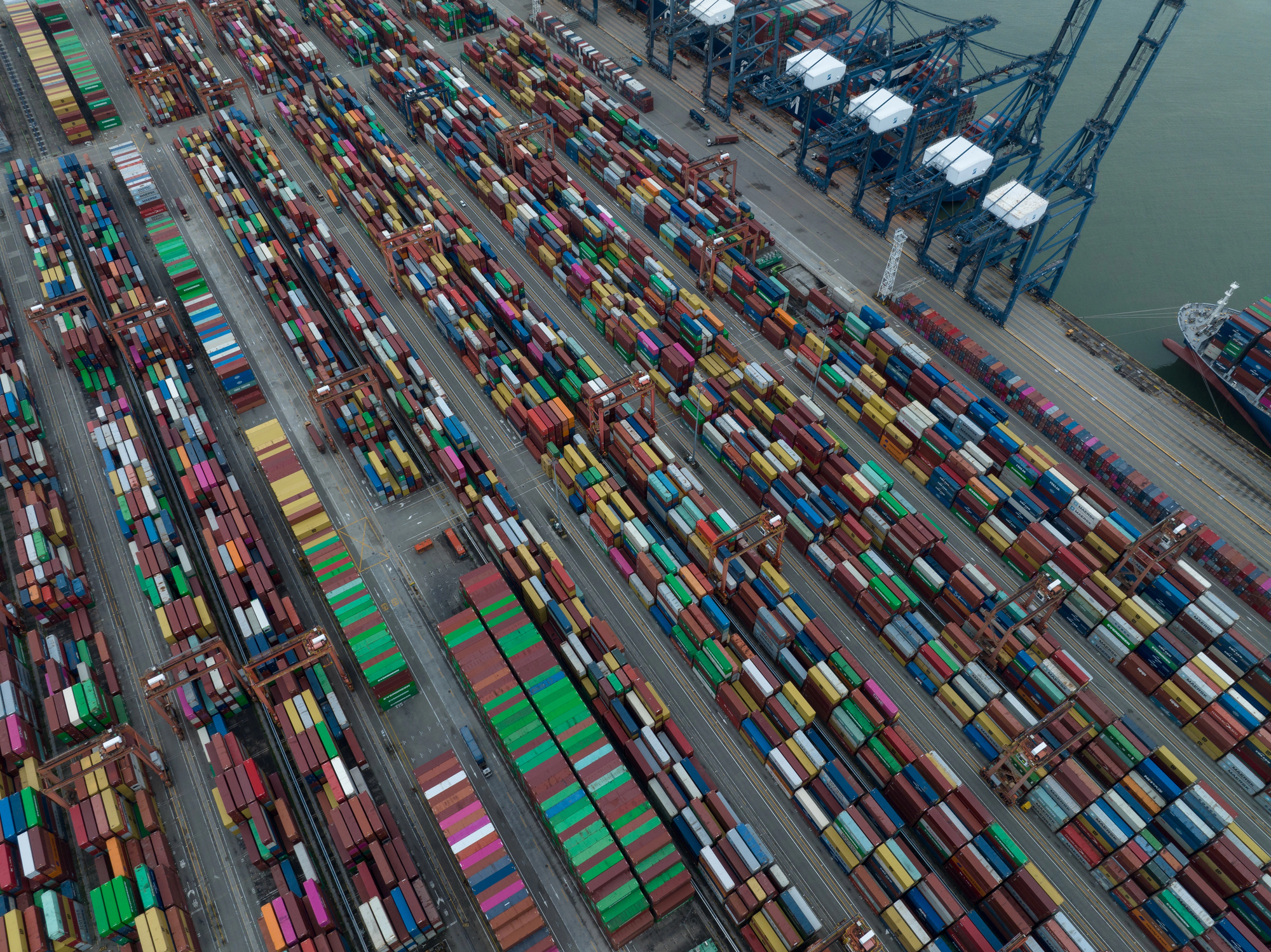
A trailer sitting in your yard may not seem like a problem, but every extra hour it remains parked without moving can impact warehouse productivity, transportation costs, and customer service. Trailer dwell time is one of the most overlooked sources of inefficiency in modern supply chains, and reducing it can significantly improve warehouse operations.
If your facility is experiencing dock congestion, delayed shipments, or crowded trailer yards, excessive dwell time could be the cause.
What Is Trailer Dwell Time?
Trailer dwell time is the amount of time a trailer sits idle in a warehouse yard, distribution center, or customer facility before it is loaded, unloaded, or moved. The longer trailers remain stationary, the more they contribute to congestion, reduced equipment availability, and higher operating costs.
Why Does Trailer Dwell Time Matter?
Every trailer in your yard represents valuable equipment. When trailers remain parked longer than necessary, they take up space, limit operational flexibility, and slow the movement of freight throughout the facility.
High dwell times can also create a ripple effect across the supply chain. Drivers spend more time waiting for available trailers, dock schedules become harder to manage, and deliveries may be delayed. Over time, these inefficiencies increase operating expenses and reduce overall productivity.
What Causes Excessive Trailer Dwell Time?
Several factors can contribute to trailers sitting idle longer than expected. Common causes include:
- Inefficient yard management
- Poor communication between warehouse and transportation teams
- Limited dock availability
- Labor shortages
- Inaccurate trailer tracking
- Fluctuating freight volumes
Without a clear process for monitoring trailer movement, it's easy for equipment to remain unused longer than necessary.
How Can Businesses Reduce Trailer Dwell Time?
Improving trailer utilization starts with greater visibility into yard operations. A dedicated yard management team can monitor trailer locations, prioritize trailer moves, and coordinate with warehouse staff to ensure equipment is available when it's needed.
Dedicated Yard Management services also help reduce congestion, improve trailer turnaround times, and keep freight moving efficiently between the yard and the dock.
Why Dedicated Yard Management Makes a Difference
A well-managed yard supports the entire warehouse operation. Dedicated yard drivers can quickly reposition trailers, reduce delays at loading docks, and improve communication between transportation and warehouse teams.
Combined with Dedicated Short-Haul Services and Flexible Capacity Programs, businesses can better respond to changing freight volumes without disrupting daily operations.
Frequently Asked Questions
1. What is considered a high trailer dwell time?
The answer varies by operation, but consistently leaving trailers idle longer than operational needs can reduce efficiency and increase transportation costs.
2. How does trailer dwell time affect warehouse productivity?
Long dwell times contribute to yard congestion, reduce trailer availability, delay loading and unloading, and make dock scheduling more difficult.
3. Can outsourced yard management reduce dwell time?
Yes. A dedicated yard management provider can improve trailer visibility, coordinate trailer movements, and help warehouses operate more efficiently.
Key Takeaway
Trailer dwell time is more than just a logistics metric. It directly impacts warehouse efficiency, transportation costs, and customer service. Reducing idle trailers through effective yard management helps businesses improve productivity and keep freight moving throughout the supply chain.
US1 ShortHaul provides Dedicated Yard Management, Dedicated Short-Haul Services, and Flexible Capacity Programs that help warehouses improve trailer utilization, reduce congestion, and keep operations running smoothly.