August 20, 2026
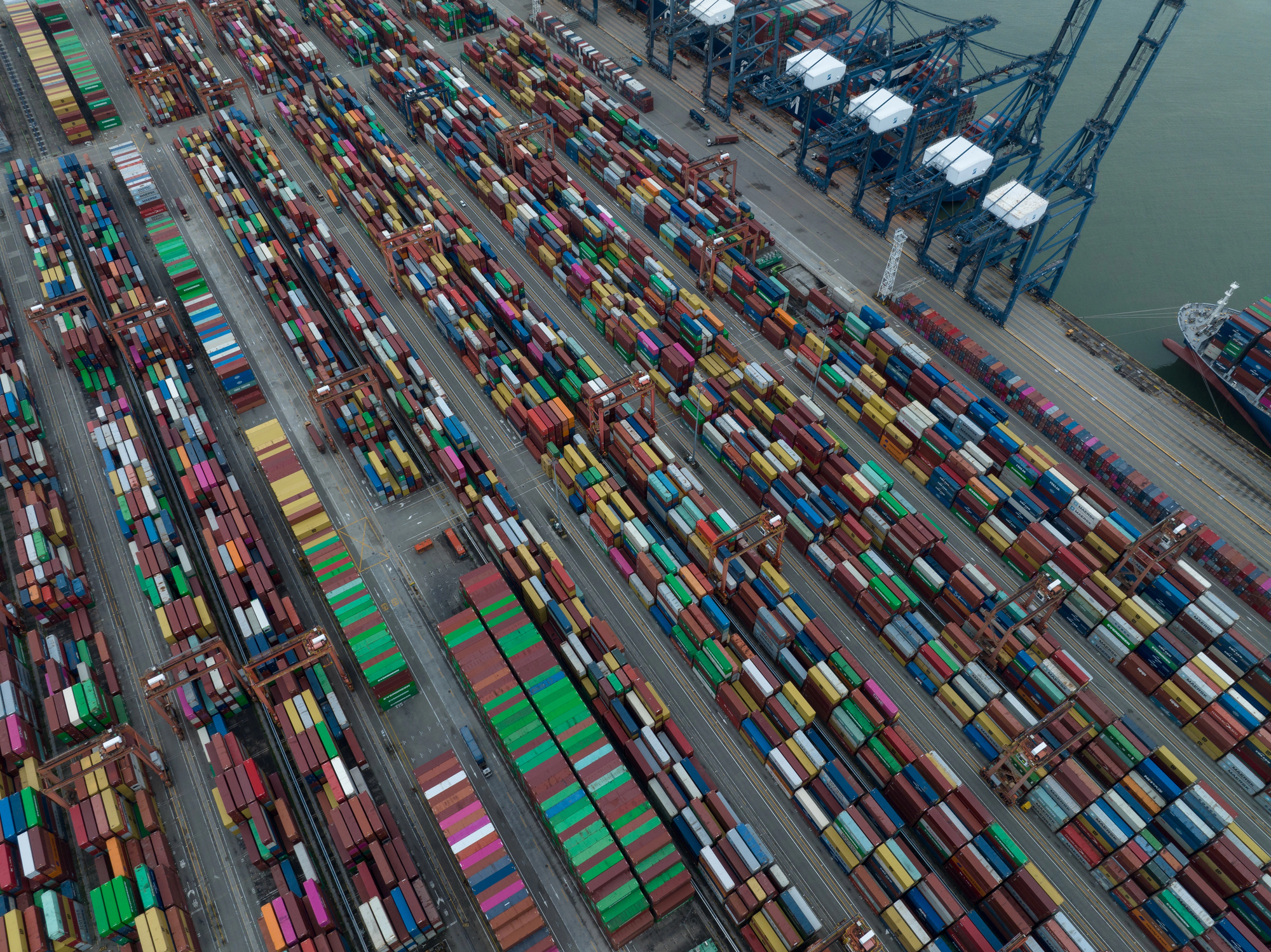
Freight does not slow down just because infrastructure gets crowded. Ports get congested. Distribution centers overflow. Retail replenishment schedules tighten…
When freight piles up between facilities, even small delays can ripple through an entire supply chain. That is where short-haul trucking services become a strategic advantage rather than just a transportation option.
Regional freight movement is often the missing link in supply chain efficiency. Understanding how short-haul solutions eliminate bottlenecks helps businesses protect timelines and maintain service consistency.
Why Bottlenecks Happen in Regional Freight Corridors
High-volume regions experience freight congestion for several reasons. Seasonal spikes increase inbound container flow. Warehouses operate at maximum capacity. Labor shortages or limited dock availability create delays in unloading and reloading.
Even when long-haul freight arrives on time, the regional transfer between port, rail, warehouse, and retail location can create friction. Without consistent local capacity, freight sits waiting for available trucks.
Short-haul trucking services reduce this friction by creating predictable, repeatable movement between facilities. Instead of scrambling for capacity, businesses gain a reliable freight pipeline.
How Dedicated Short Haul Fleets Improve Freight Flow
Dedicated regional carriers operate on consistent routes within a defined geographic footprint. This model eliminates uncertainty in high-volume corridors where demand for trucks fluctuates daily.
Because drivers become familiar with facilities, dock procedures, and scheduling patterns, turnaround times improve. Communication between warehouse teams and transportation partners becomes more efficient. Freight moves faster from point A to point B without unnecessary idle time.
For distribution centers operating near major hubs, dedicated short-haul fleets reduce reliance on the volatile spot market and provide stable, predictable capacity.
Reducing Delays Between Ports, Warehouses, and Retail Locations
In high-density freight regions, the critical gap often exists between major transportation hubs and final distribution points. Containers may clear the port quickly, but if local transportation is inconsistent, inventory flow slows.
Short-haul trucking bridges that gap. By maintaining consistent shuttle routes between port facilities, cross-docks, and distribution centers, freight continues moving even during peak congestion.
Retailers and manufacturers benefit from improved supply chain visibility, faster inventory turnover, and fewer disruptions during seasonal demand surges.
Building a Stronger Regional Freight Strategy
Supply chain bottlenecks rarely originate from one major failure. They are typically caused by small breakdowns in coordination and capacity. A structured short haul strategy strengthens the regional segment of the supply chain, which is often the most vulnerable during peak volume periods.
US 1 Shorthaul provides regional freight solutions designed to reduce bottlenecks, stabilize capacity, and support efficient freight movement across high-volume corridors. If your operation relies on consistent regional transfers, contact US 1 Shorthaul to learn how a dedicated short haul strategy can improve supply chain performance.