August 20, 2026
The apparel industry moves fast. New styles launch constantly, seasons shift quickly, and customer expectations push brands to stay stocked and ready to deliver at a moment’s notice.
These demands place enormous pressure on the supply chain, especially in the final legs of distribution. Short-haul logistics has become an essential solution for apparel companies that need speed, reliability, and flexible transportation between ports, warehouses, distribution centers, and retail locations.
US1 ShortHaul supports apparel shippers with local and regional moves designed to keep inventory flowing without delays. In this blog post, we share our insight on the apparel supply chain, and how to ship with success.
Why Short-Haul Logistics Matters for Apparel
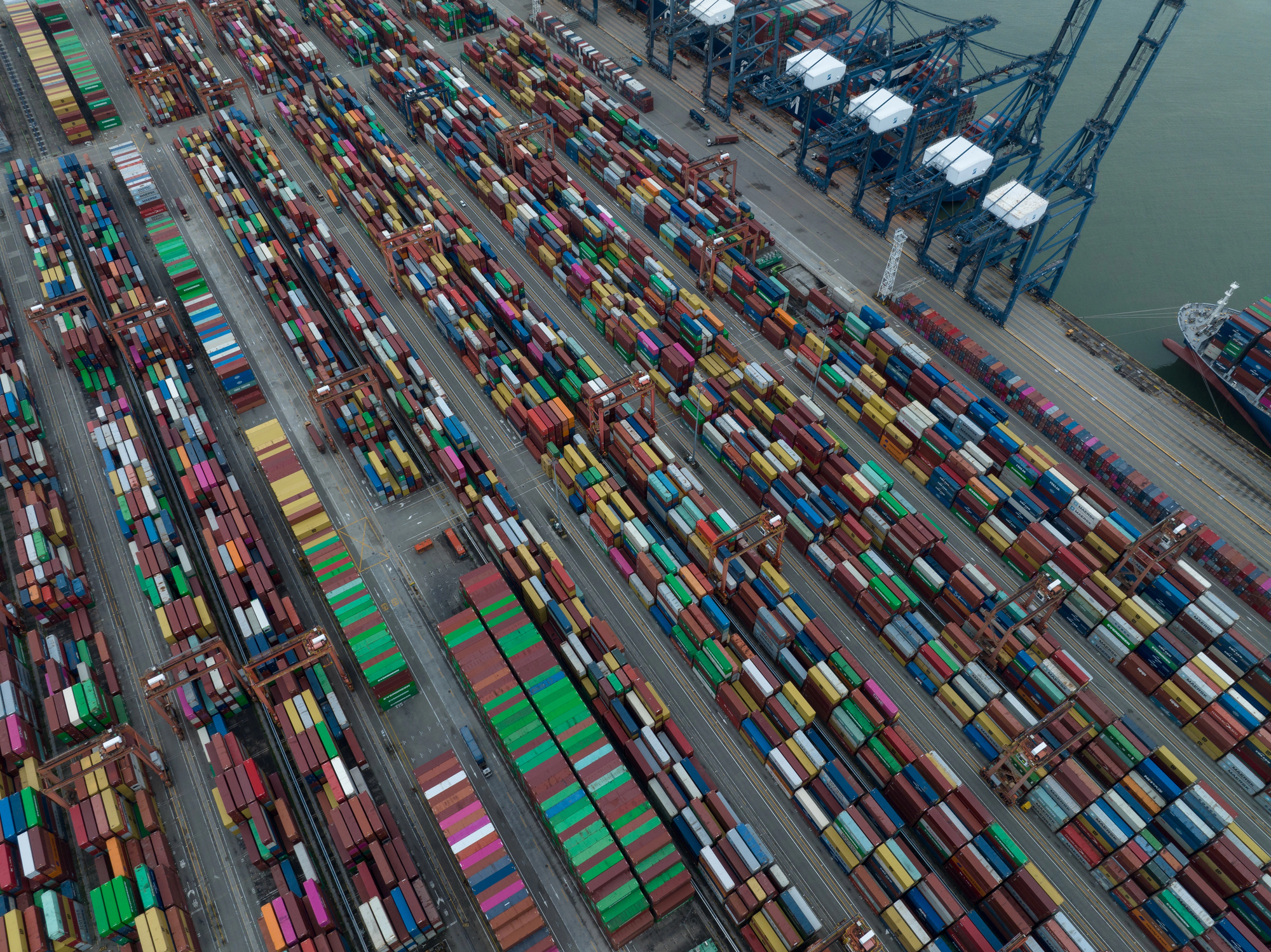
Short-haul transportation focuses on moves within a relatively small geographic range, but the impact is huge for apparel companies. This segment of the supply chain often determines how quickly new products reach shelves and how well brands keep up with unexpected spikes in demand. Whether freight is arriving from an import gateway or transferring between facilities, short-haul carriers help maintain momentum.
Speed That Matches Fast-Paced Retail
Apparel cycles move quickly, and delays can mean missed sales opportunities. Short-haul logistics shortens transit times by connecting local ports, cross-docks, and distribution centers with reliable, fast-moving transportation. This pace helps retailers refresh inventory more often and avoid stockouts during key promotional periods.
Flexibility in a Constantly Changing Market
Seasonal pushes, fashion launches, and even viral trends can influence apparel demand almost overnight. Short-haul carriers provide the flexibility brands need to respond to these shifts. With agile fleets, scalable capacity, and efficient routing, apparel companies gain the ability to move product exactly when needed instead of relying solely on long-haul schedules.
On-Demand Deliveries That Keep Stores Stocked
Many apparel brands operate with tight inventory models. Smaller, more frequent shipments help them stay stocked without overcrowding their backrooms. Short-haul transportation supports on-demand replenishment by offering quick, dependable runs between DCs and retail locations. It also strengthens the flow of returns and reverse logistics during post-season transitions.
The Role of Yard Management in Apparel Distribution
Yards at distribution centers can become congested without strong management. Short-haul carriers with yard services help streamline inbound and outbound traffic, organize trailers, and reduce dwell time. This improved flow prevents bottlenecks and keeps apparel shipments moving without interruption.